Quick Summary: What a Free AI Image Editor No Login Required Can Do
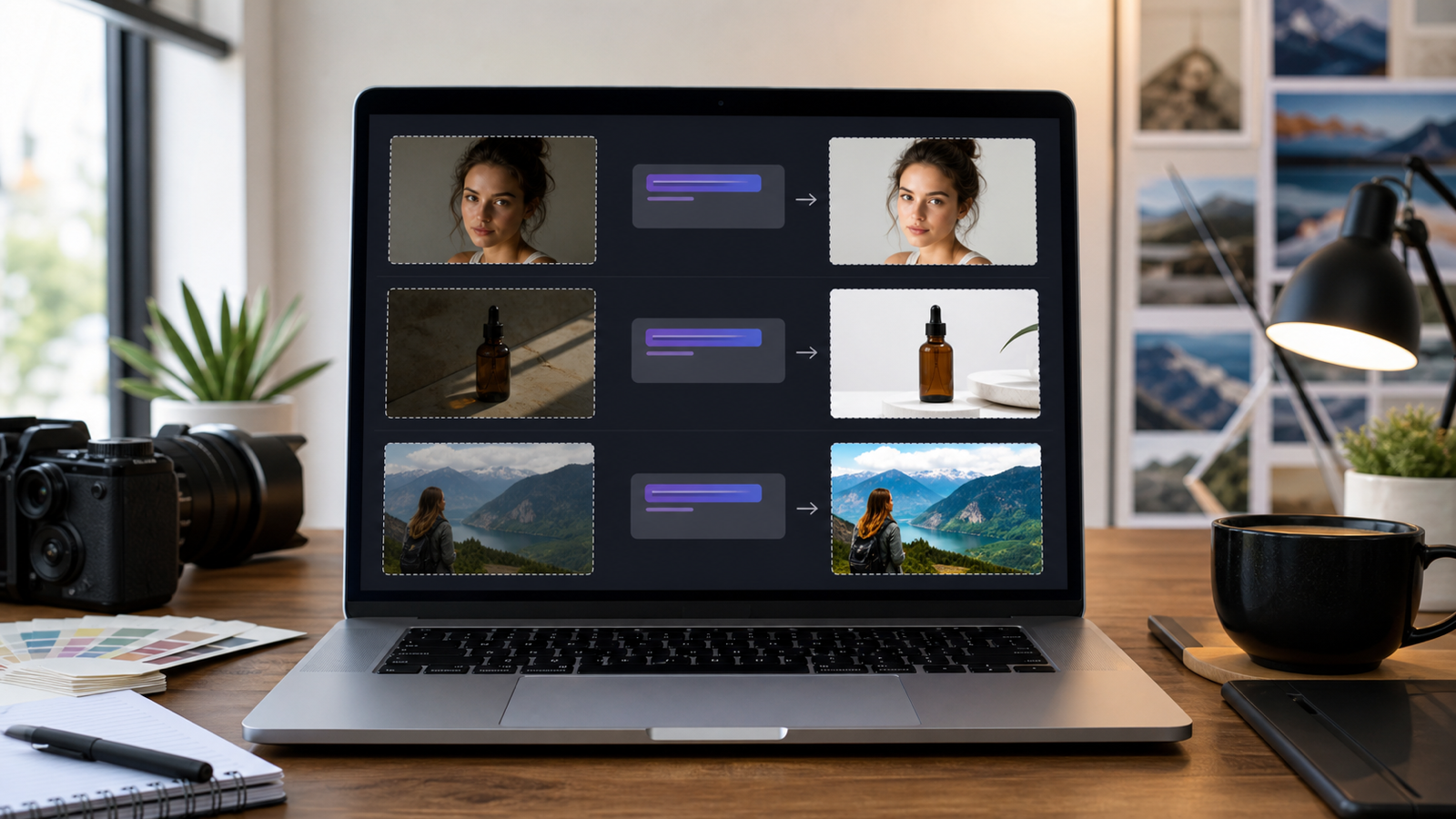
A free AI image editor no login required is useful when you want to upload a photo, describe the edit in plain language, and generate a cleaner version without setting up complex design software. Instead of learning layers, masks, brushes, and manual retouching tools first, you can start with a prompt such as "replace the background," "make this product photo look cleaner," or "turn this portrait into a polished profile image."
For this guide, the main recommendation is FreeImGen's Free AI Image Editor. The page is positioned around free, no-signup, prompt-based image editing, and it describes a simple workflow: upload an image, enter an editing instruction, generate a result, then download the edited image. FreeImGen also offers related tools such as Free Image to Image AI, Free GPT Image 2, Gemini 2.5 Flash Image AI, Nano Banana AI, Free Text to Image Generator, and Free Image Upscaler.
Treat live platform claims carefully. Before publishing final guidance, verify the current FreeImGen pages for free-use terms, no-login or no-signup availability, upload limits, supported formats, image retention, watermark rules, export quality, public or private output settings, mobile access, and commercial-use permissions.

When to Use an AI Image Editor Online Free Instead of Manual Editing Software
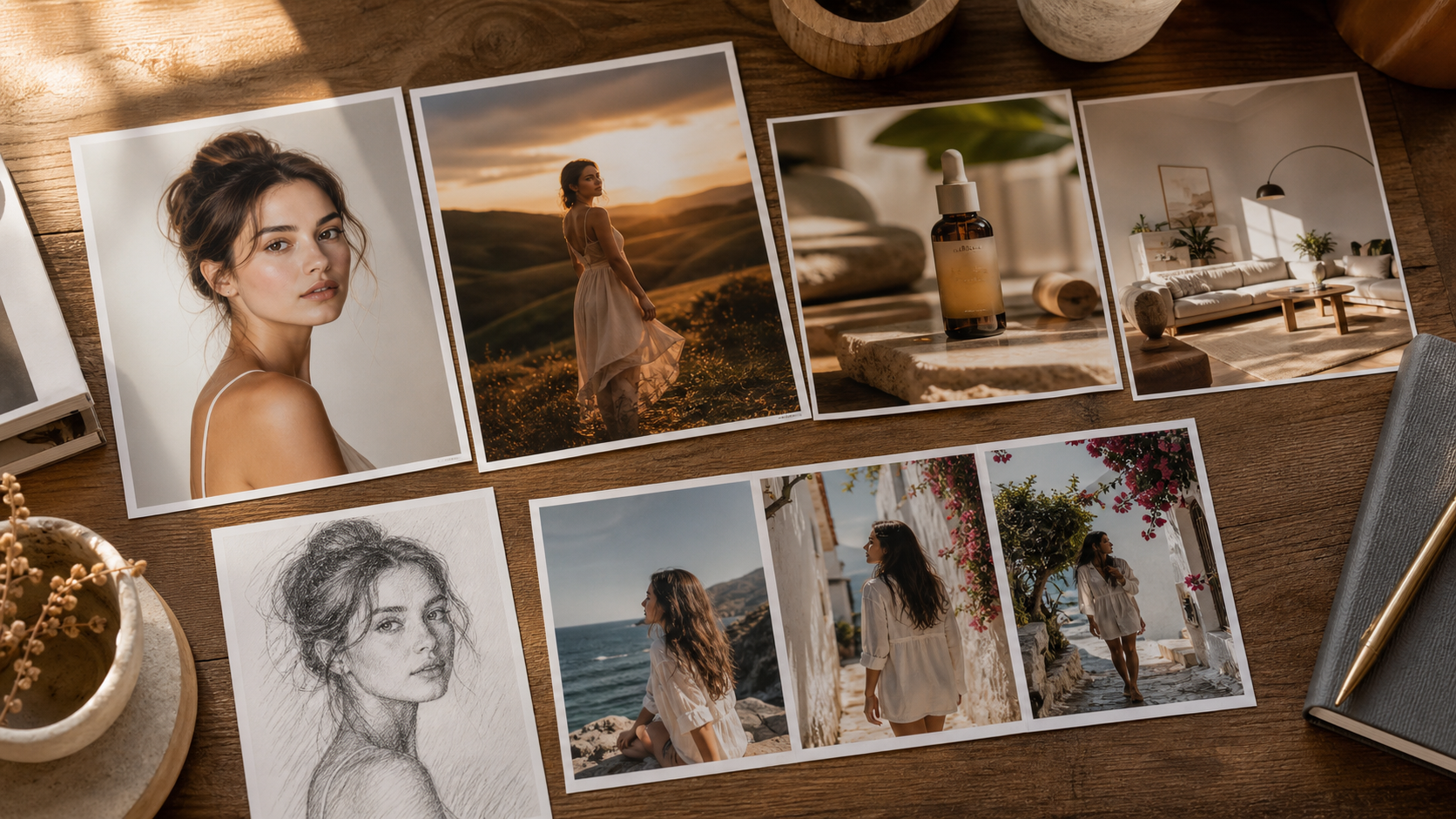
Use an AI image editor online free when speed matters more than pixel-level control. It works well for first drafts, quick variations, product refreshes, portrait cleanup ideas, social media visuals, thumbnails, posters, and lightweight creative experiments. A manual editor is still better when you need exact selections, brand templates, layered source files, precise typography, or client-ready retouching.
Prompt-based editing is especially useful for people who know what they want but do not want to build the edit by hand. A small business owner might ask for a cleaner product background. A student might restyle a presentation image. A blogger might create a featured image variation. A social media manager might turn one photo into several draft concepts before choosing a final direction.
Good beginner use cases include:
- Replacing a distracting background with a cleaner setting.
- Restyling a portrait for a profile image while keeping it realistic.
- Creating thumbnail concepts with stronger contrast and simpler composition.
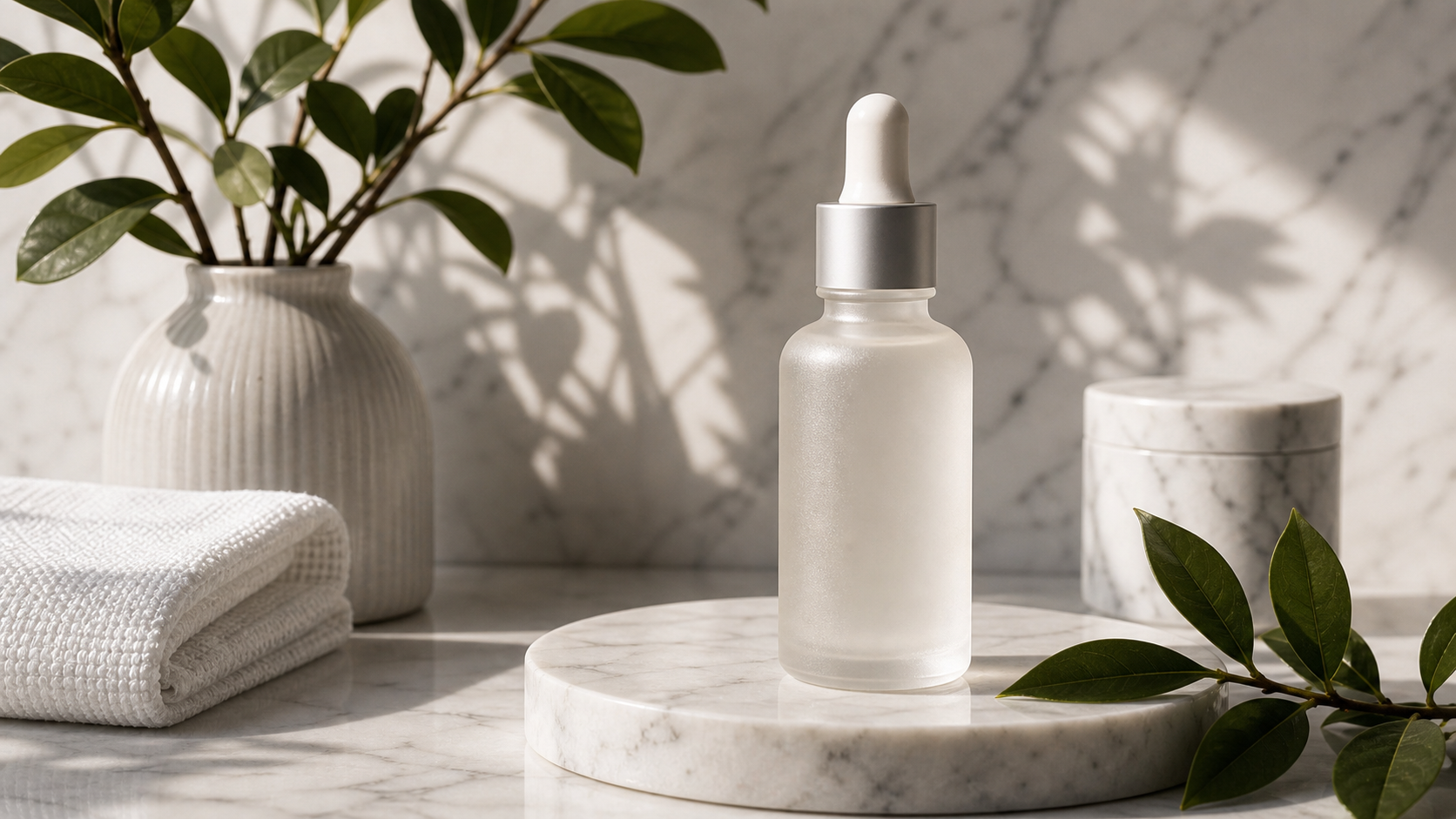
- Refreshing product images for ecommerce drafts or ad mockups.
- Turning a casual photo into a poster, blog image, or social post concept.
- Generating visual variations before doing final edits in another tool.
The important trade-off is review. AI edits can be fast, but they can also change faces, distort hands, alter product proportions, invent details, or make text less readable. Use FreeImGen as a fast creative editor, then inspect the result before you publish, sell, print, or send the image to a client.

How to Upload an Image, Describe the Edit, and Refine the Result
The basic FreeImGen workflow is straightforward: start with the Free AI Image Editor, upload a source image, write a clear editing prompt, generate the new version, then refine the prompt if the output is close but not finished. The live page mentions common uploaded formats such as JPEG, JPG, WEBP, and PNG; check the current page before publishing exact format or file-size claims.
Use this practical process:
- Choose a source image with a clear subject and enough resolution for the intended use.
- Upload the image to the editor.
- Describe what should stay the same, such as the person, product, pose, layout, or composition.
- Describe what should change, such as background, lighting, mood, color, style, clutter, or framing.
- Add the use case, such as ecommerce product image, profile photo, social post, thumbnail, poster, or creative draft.
- Generate the edit and review the result carefully.
- Refine the prompt with one or two specific changes instead of rewriting everything at once.
The most common beginner mistake is giving only a vague instruction. "Make it better" gives the model too much freedom. "Preserve the product shape and label area, replace the background with a bright minimalist studio, and keep realistic shadows" is much easier for an AI editor to follow.
If the first result is not right, keep the useful part and correct only the weak part. For example, ask for a softer background, more natural lighting, fewer extra objects, cleaner edges, or a less stylized look. This gives you a controlled editing loop instead of a random set of new images.

Prompt Formula and Examples for Better AI Photo Editing
Good prompts tell the editor what to preserve, what to change, and what to avoid. This matters because many AI photo editing tools are powerful enough to reinterpret the whole image if your instruction is too open-ended.
Use this reusable formula:
Use this uploaded image as the base. Preserve [main subject / face / product / layout / composition] while changing [specific edit]. Improve [lighting / background / color / style / detail / mood] for [use case]. Keep the result [photorealistic / clean / natural / brand-ready / social-ready]. Avoid [warped faces / extra objects / unreadable text / distorted hands / fake logos / overediting].
Prompt examples:
- Use this product photo as the base. Preserve the product shape and label area. Replace the background with a clean modern kitchen counter, natural daylight, soft shadows, photorealistic ecommerce style.
- Edit this portrait into a polished profile photo. Preserve the person's facial identity, expression, and hairstyle. Improve lighting, soften the background, and keep realistic skin texture.
- Use this image as the base and remove distracting background objects. Keep the main subject unchanged, improve contrast, and make the photo cleaner for a social media post.
- Restyle this image into a cinematic editorial photo. Preserve the composition and subject, add warm golden-hour lighting, shallow depth of field, and a polished magazine-style look.
- Change the background of this product image to a bright minimalist studio setup. Keep the product proportions accurate, preserve realistic shadows, and avoid fake logos.
- Turn this casual photo into a clean thumbnail image. Brighten the subject, simplify the background, add strong visual contrast, and leave space on one side for text.
- Use this room photo as the base. Keep the furniture layout and window position, but restyle the room into a warm minimalist interior with natural plants and soft sunlight.
- Improve this food photo for a menu or social post. Preserve the dish and ingredients, enhance lighting, sharpen appetizing details, and use a clean restaurant-table background.
- Convert this photo into a soft pencil-sketch style while preserving the main pose, composition, and recognizable details.
- Create three fresh visual variations from this uploaded image: one realistic, one cinematic, and one clean commercial style. Keep the original subject consistent in all versions.
- Update the text on this simple design to "[new text]" while preserving perspective, lighting, surface texture, and layout. Make the text clean and readable.
- Use this image as a reference and create a polished ad visual for [product name], aimed at [target audience], with a premium background, natural lighting, and no clutter.
For text-heavy designs, be extra cautious. AI image tools often struggle with exact lettering, small typography, and brand marks. If the words must be perfect, use the AI edit for the visual base and finish the text in a layout or design tool.

FreeImGen Tools to Pair with the Free AI Image Editor
FreeImGen is most useful when you choose the tool that matches the stage of your image workflow. The Free AI Image Editor is the core recommendation for uploading a photo and editing it with a text prompt, but related pages can help when you need a different starting point or finishing step.
| Tool | Best for | Practical note |
|---|---|---|
| Free AI Image Editor | Prompt-based edits to an uploaded image | Use when you already have a photo and know the change you want. |
| Free Image to Image AI | Reference-image transformations and visual variations | Useful for style changes, background ideas, and new versions from an existing image. |
| Free GPT Image 2 | Higher-quality image generation and editing workflows | Consider it for polished concepts, product visuals, posters, and social graphics. |
| Gemini 2.5 Flash Image AI | Alternative AI image editing options | Good to test when another model gives an awkward result. |
| Nano Banana AI | Alternative image generation or editing experiments | Useful for comparing creative direction and model behavior. |
| Free Text to Image Generator | Creating a new source image from text | Start here when you do not have an image to upload yet. |
| Free Image Upscaler | Sharpening or enlarging a finished output | Use after editing when the image needs a cleaner final pass. |
This tool chain is flexible, but it should not be treated as a guarantee of professional retouching accuracy. For ecommerce, paid ads, brand campaigns, or commercial visuals, check proportions, product details, labels, image rights, and any required disclosures before publishing.

Output Checklist, FAQ, and Next Steps Before Publishing
Before using an AI-edited image publicly, review the output like an editor, not just a viewer. The image may look attractive at first glance but still contain details that weaken trust, especially in portraits, product photos, food images, room interiors, and text-heavy graphics.
AI-edited image checklist
- Subject consistency: Does the face, product, room, dish, or object still match the source?
- Background: Is the new setting clean without strange artifacts or extra objects?
- Lighting: Do shadows and highlights look natural for the scene?
- Proportions: Did the edit stretch the product, face, hands, furniture, or packaging?
- Text and logos: Are all words readable and are there no unwanted fake marks?
- Use case: Is the result suitable for a social post, ecommerce draft, profile photo, thumbnail, poster, or blog visual?
- Export quality: Does the downloaded image look sharp enough for the target channel?
- Rights and privacy: Have you checked FreeImGen's Privacy Policy and Terms & Conditions before uploading sensitive or commercial material?
FAQ
Is FreeImGen really a free AI image editor with no login required?
FreeImGen's editor page is positioned around free, no-signup image editing, but live access rules can change. Before publishing or relying on it for a team workflow, verify the current page for login requirements, usage limits, watermark rules, export options, and any paid features.
Can I use FreeImGen for product photos?
Yes, it can be useful for product-photo drafts such as cleaner backgrounds, lighting variations, and ad concepts. Check the output carefully for product shape, label accuracy, shadows, and commercial-use permissions before using the image in ecommerce or advertising.
What is the difference between AI image editing and image-to-image AI?
AI image editing usually starts with an uploaded image and a specific instruction, while image-to-image AI often focuses on creating a new variation from a reference image. In practice, the workflows overlap, so choose the page that best matches whether you want a controlled edit or a broader transformation.
Can AI remove objects or change backgrounds perfectly?
Not always. AI tools can remove distractions and replace backgrounds, but they may leave artifacts, alter edges, or change the subject. Review the image at full size and refine the prompt if the result looks unnatural.
Should I upload private or client images to an online AI editor?
Be careful with confidential, unreleased, personal, or client-owned images. Review FreeImGen's privacy and terms pages, and avoid uploading sensitive material unless the current policies match your requirements.
Conclusion
A free AI image editor no login required is best for fast creative edits: cleaner backgrounds, portrait polish, product-image drafts, social visuals, thumbnails, posters, and quick variations. FreeImGen is a practical starting point because it combines a prompt-based editor with related tools for image-to-image transformation, text-to-image creation, model alternatives, and upscaling. Use it as a fast drafting workflow, then verify details, rights, privacy terms, and output quality before publishing.