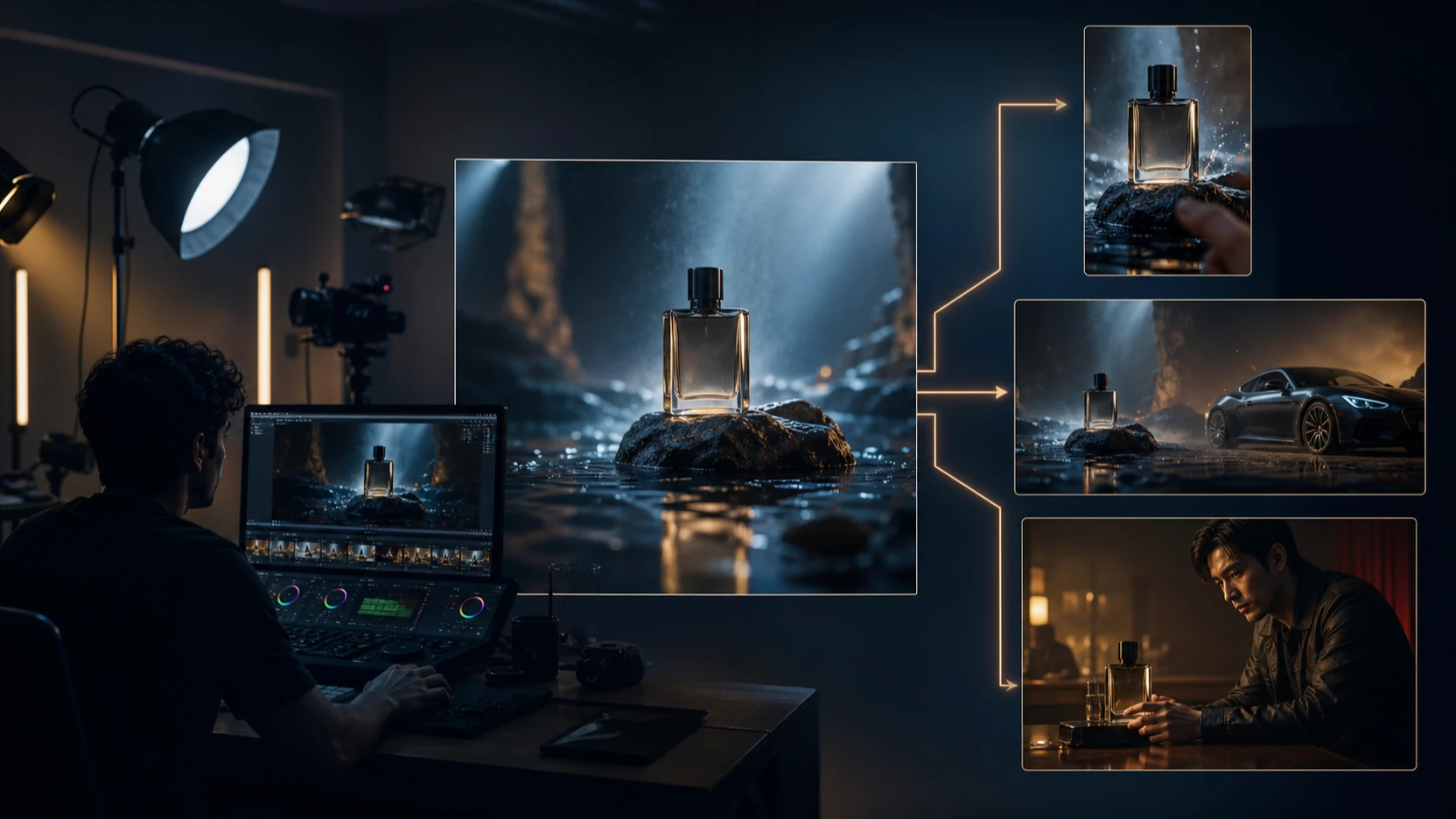
The best free image to video AI workflow starts before you upload a photo. A sharp, clean source image usually produces a better short video than a cluttered or low-resolution image, so this guide recommends FreeImGen as the free image-creation and preparation hub first. After that, test image-to-video websites such as VideoWeb AI, Flyne AI, Fylia AI, SeeVido AI, and Flaq AI with the same image, prompt, aspect ratio, and review checklist.

Start With FreeImGen for Better Free Image to Video AI Results
FreeImGen is most useful at the preparation stage. Before choosing a free image to video AI website, use FreeImGen to create, edit, upscale, or vary the still image that will drive the video. This matters because image-to-video models usually preserve the source image more reliably when the subject is clear, centered, well-lit, and not overloaded with tiny text.
For product clips, start with a clean product image on a simple background. For portraits, use a face-forward image with natural lighting and no distracting accessories. For UGC ads, prepare one strong product or lifestyle image, then test different camera motion prompts. For memes, posters, and creative drafts, remove unnecessary text and leave room for motion effects.
FreeImGen also fits the "free first" search intent because many creators want to prepare images without building a full paid production stack. Still, do not assume every connected workflow is free forever. Before publishing, verify current login requirements, free credits, watermark rules, upload privacy, and commercial-use rights on each platform you use.
Related FreeImGen guides worth linking include the free AI image editor, GPT Image 2 websites, free image-to-image AI, free text-to-image generator, and free image upscaler.

Best Free Image to Video Generator Websites to Compare
The best free image to video generator depends on the clip you need, not only the site name. Compare each website by use case: social posts, product clips, UGC ads, portraits, storyboards, memes, or creative drafts. Then verify current access details before relying on a result for client work.
| Website | Best fit | What to verify before publishing |
|---|---|---|
| VideoWeb AI Image to Video | Beginner-friendly image to video AI for social posts and quick visual drafts | Free credits, login, watermark, model availability, export quality |
| Flyne AI Photo to Video | Photo to video AI generator testing and model-comparison workflows | Credits, model list, prompt controls, output rights, privacy |
| Fylia AI Image to Video | Image animation tool for social video and audio-ready model workflows | Supported models, audio options, pricing, export limits |
| SeeVido AI Video Generator | Social, marketing, and creative video generation | Free access, watermark rules, commercial-use terms, export quality |
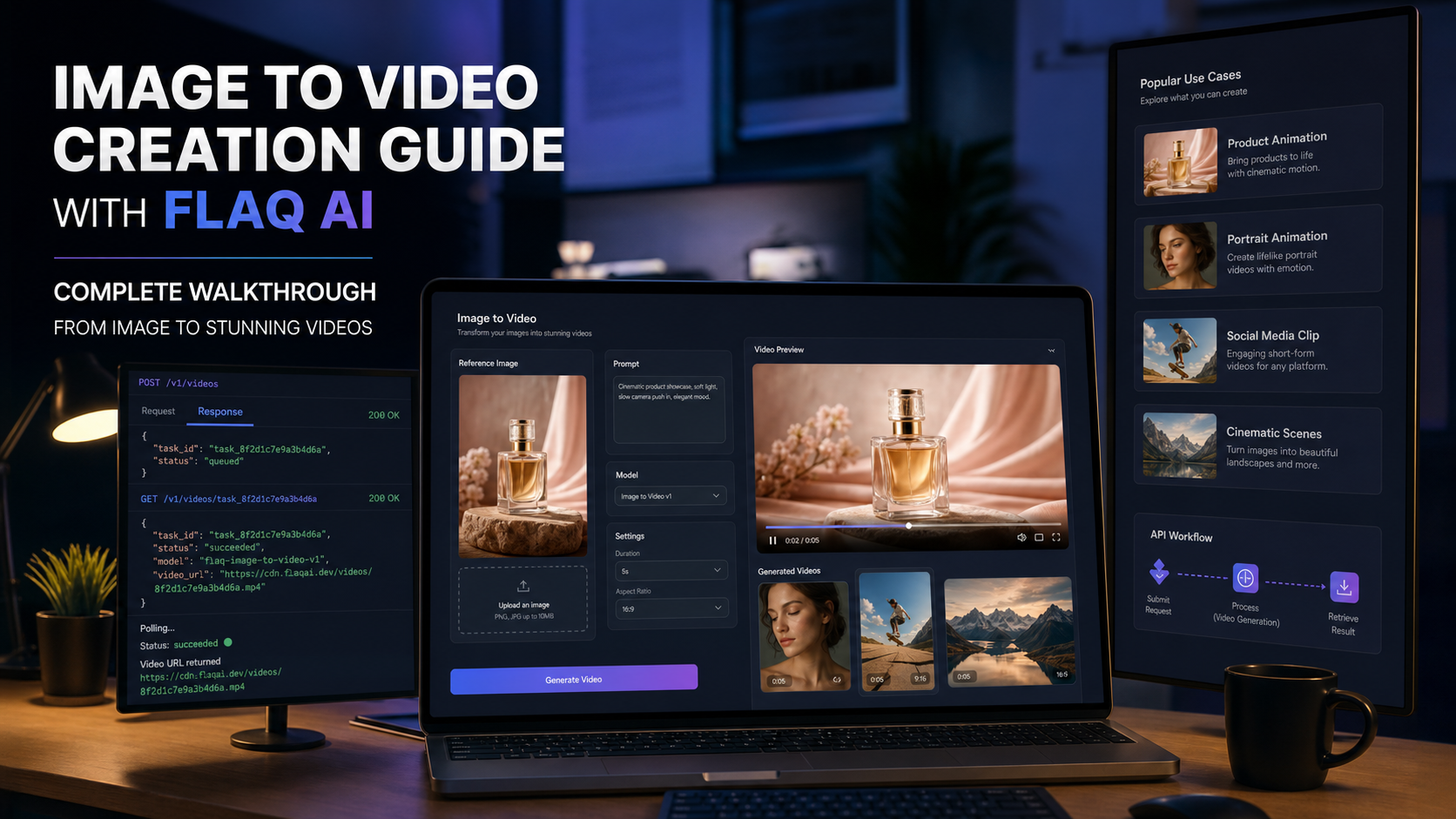
| Flaq AI Image to Video | Image-to-video testing and API-ready workflows | API access, model support, pricing, privacy, commercial terms |
This comparison is deliberately cautious. A tool can be good for experimentation but still require paid credits, login, watermark removal, or export upgrades for finished work. That is why a practical review should test the same image across all tools and judge the result, not the marketing promise.
For broader context, readers can also review VideoWeb AI Video Generator 2026, Flyne's AI image-to-video workflow guide, Flyne's video generator model guide, Fylia's AI video generator workflow guide, Fylia's Seedance 2.0 access guide, Flaq's Image to Video Creation Guide, Flaq's video models review, and SeeVido's Seedance 2.0 review.

How to Test VideoWeb AI, Flyne AI, Fylia AI, SeeVido AI, and Flaq AI
Use one repeatable testing workflow instead of judging tools from random examples. Upload the same prepared image to VideoWeb AI, Flyne AI, Fylia AI, SeeVido AI, and Flaq AI. Use the same motion prompt, aspect ratio, duration, and target use case. Then compare subject preservation, motion quality, prompt accuracy, generation speed, free-credit behavior, watermark, export quality, and editing readiness.
For social posts, test 9:16 and check whether the face, product, or main object stays stable after cropping. For product clips, check whether labels, shape, material texture, and proportions drift. For portraits and UGC ads, watch for warped faces, extra fingers, identity drift, flicker, and motion that feels too strong for the platform.
Website testing prompt formula:
Compare [VideoWeb AI], [Flyne AI], [Fylia AI], [SeeVido AI], and [Flaq AI] for this same source image. Use the same prompt, aspect ratio, duration, and review checklist. Evaluate motion quality, subject preservation, prompt accuracy, generation speed, free credits, watermark, export quality, and whether the result is ready for social editing.
The best result is not always the most dramatic clip. For ecommerce, a stable product shape may matter more than cinematic motion. For memes, speed and caption space may matter more than perfect realism. For paid ads, export quality, rights, and repeatability matter more than a single lucky generation.

Image to Video AI Prompt Formula and Examples
Image-to-video prompting works best when you tell the model what to preserve and what to move. The source image is the anchor. Your prompt should protect the subject, define motion, choose camera behavior, and set the format for the platform.
Reusable prompt formula:
Use this uploaded image as the reference. Preserve [main subject / face / product / object / composition / brand-neutral detail] while adding [motion / camera movement / background action / lighting change / atmosphere]. The video should feel [cinematic / realistic / playful / ad-ready / social-ready], with [aspect ratio], [duration], and [platform use case]. Avoid [warped faces, distorted hands, product-shape changes, unreadable text, fake logos, excessive motion, flickering, or identity drift].
Prompt examples:
- Use this product photo as the reference. Preserve the product shape, label area, and material texture. Add a slow camera push-in, soft studio lighting, subtle background movement, and premium ecommerce ad pacing, 16:9.
- Use this portrait as the reference. Preserve facial identity, hairstyle, and expression. Add gentle camera movement, natural light shift, soft background motion, and realistic social-video pacing, 9:16.
- Use this poster image as the reference. Preserve the layout and main subject. Add cinematic parallax, moving light particles, subtle depth, and a smooth reveal effect, no unreadable text.
- Use this sneaker photo as the reference. Keep the shoe design and proportions stable. Add rotating camera motion, urban pavement background, golden-hour lighting, and campaign-ad energy.
- Use this food image as the reference. Preserve the dish shape and ingredients. Add steam, slight camera push, warm restaurant lighting, and appetizing close-up motion.
- Use this character image as the reference. Preserve outfit, face structure, color palette, and silhouette. Add a subtle pose shift, moving background lights, and cinematic atmosphere, no extra limbs.
- Use this room photo as the reference. Preserve the layout and window position. Add gentle sunlight movement, curtain motion, and polished interior-design video style.
- Use this fashion image as the reference. Preserve clothing details and body proportions. Add slow editorial camera movement, soft wind, clean studio lighting, and vertical social-video framing.
- Use this logo-free product mockup as the reference. Add a smooth table rotation, soft reflections, premium launch-ad lighting, and clean background motion.
- Use this travel photo as the reference. Add slow drone-like camera movement, moving clouds, subtle crowd motion, warm sunset light, and cinematic travel-reel pacing.
- Use this pet photo as the reference. Preserve the animal's look and pose. Add gentle head movement, soft background blur, natural lighting, and cozy social-video mood.
- Use this AI image as the reference. Create three short video variants: one cinematic, one playful, and one product-ad style. Keep the subject stable and change only motion, lighting, and pacing.
Keep prompts short enough to be testable. If a tool ignores part of the prompt, simplify it and test again with one motion goal at a time.

Review Checks Before Using a Free Photo to Video AI Online
Free photo to video AI online tools are useful for fast drafts, but publishing needs a stricter review. First, verify the practical access details: free credits, login requirements, pricing, watermark rules, export limits, duration limits, model availability, and queue speed. These details change often, so treat them as live checks rather than permanent claims.
Second, inspect the output. Look for subject preservation, motion smoothness, flicker, distorted hands, warped faces, product-shape changes, unreadable text, fake logos, unwanted background changes, and crop problems. A clip can look exciting at first glance and still fail once placed into a TikTok, Reel, Shorts video, product page, or ad creative.
Third, check rights and privacy. If you upload customer photos, product images, brand assets, portraits, or unreleased campaign materials, review upload privacy and commercial-use permissions first. Avoid real celebrities, public figures, copyrighted characters, brand logos, and trademarked platform UI details unless you have permission.
For export, save the highest quality version available, then edit captions, CTAs, music, and final typography in a dedicated video editor. Do not rely on AI-generated text inside the clip unless you can proof it clearly.

FAQ About the Best Free Image to Video AI
What is the best free image to video AI for beginners?
Start by preparing the image in FreeImGen, then test VideoWeb AI image to video for a beginner-friendly image-to-video workflow. Also compare Flyne AI, Fylia AI, SeeVido AI, and Flaq AI with the same prompt.
Can I use free image-to-video AI for commercial ads?
Only after checking the current platform terms, commercial-use rules, watermark policy, uploaded image rights, and export quality. Do not assume a free generation is automatically cleared for paid ads.
Which images work best for AI image animation?
Clear images with one main subject, clean lighting, simple backgrounds, and limited text usually work best. Product photos, portraits, fashion images, food shots, travel photos, posters, and social ad drafts can all work if the prompt protects the important details.
Should I use 16:9 or 9:16?
Use 16:9 for blog, YouTube, product pages, and landscape ads. Use 9:16 for TikTok, Reels, Shorts, and UGC ads. Always preview the crop before publishing.
Why do image-to-video AI clips distort faces or products?
Distortion often happens when motion is too strong, the source image is unclear, or the prompt fails to protect identity, shape, and composition. Regenerate with gentler motion and stronger preservation language.

Conclusion: Choose the Best Free Image to Video AI by Testing the Same Image
The best free image to video AI is the website that turns your prepared image into a stable, useful clip for the specific platform you care about. Use FreeImGen as the image-preparation hub, then compare VideoWeb AI, Flyne AI, Fylia AI, SeeVido AI, and Flaq AI with the same source image and prompt.
For serious work, verify free credits, login requirements, watermark rules, model availability, pricing, output quality, commercial-use rights, upload privacy, and export limits before publication. A free image animation AI workflow is strongest when you treat the output as a draft, review it carefully, and finish it with human editing.